The Allure of Entertainment
When people think of visiting a casino, they often envision a night filled with excitement and entertainment. The brightly lit slot machines, the thrill of the poker tables, and the allure of winning big are captivating draws. Many players, especially those attracted to a ripper casino , may find these experiences can create a sense of euphoria, leading many to believe that the financial implications are negligible in the face of such enjoyment. However, this initial allure can often mask a host of hidden costs that accumulate over the course of an outing.
Entertainment costs can extend beyond just the games themselves. Many casinos offer live performances, shows, and dining experiences that, while enjoyable, come with a hefty price tag. From ticket fees for concerts to extravagant buffet meals, these extras can quickly inflate the overall cost of your casino visit. It’s essential to recognize that the base gaming expenses are just the beginning of your financial commitment when engaging in such activities.
Moreover, the social aspect of going to a casino can further complicate the financial landscape. Friends and groups often indulge in rounds of drinks or meals together, leading to unplanned expenditures. While sharing moments with others is significant, it’s wise to remain conscious of how such communal enjoyment can lead to unexpected costs that detract from your overall gaming experience.
Gaming Expenses Beyond Wagers
The most apparent costs associated with gambling typically stem from the wagers placed at various games. However, many individuals overlook ancillary expenses that can significantly impact their total spending. For instance, players often find themselves drawn into the temptation of buying in to high-stakes tables or spending on higher-odds slot machines. These decisions can quickly increase their financial commitment without clear returns.
Another common hidden cost is the presence of “buy-in” fees for tournaments, which are often underestimated by casual players. While these events promise the potential for grand prizes, the initial investment can be substantial, particularly in well-advertised tournaments. Without fully understanding the stakes, players may find themselves caught off guard by the financial implications of these seemingly thrilling opportunities.
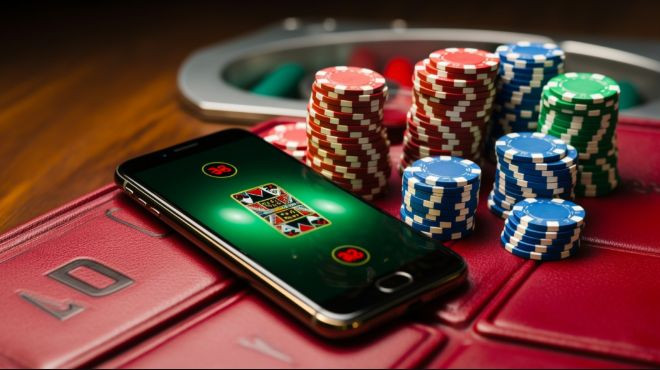
Additionally, the atmosphere of excitement can lead to more impulsive decisions, such as making unanticipated side bets or purchasing chips at an inflated rate. Such choices are often made in the heat of the moment, and they can create an illusion of affability while eroding one’s budget. It’s crucial for players to maintain a clear understanding of their spending limits and recognize how quickly small increments can compound into a significant financial burden.
The Cost of Time
Time is often an overlooked factor when calculating the costs of a casino visit. Casinos are designed to be immersive environments that keep patrons engaged for long periods. Hours can fly by while people are occupied with gaming, dining, and attending shows. However, the longer someone spends in a casino, the more likely they are to exceed their planned budget. This time-driven expenditure can have additional implications, such as missed responsibilities or other leisure activities that could provide more value.
Moreover, the opportunity cost associated with spending a full day or night in a casino can add up significantly. Consider the money that could have been saved or invested elsewhere during that time. The value of potential earnings, missed opportunities, and other forms of entertainment may be lost when one is entirely absorbed in the casino experience. Reflecting on and evaluating how time is spent can offer vital perspectives on whether or not such visits are truly worthwhile.
Furthermore, the experience can also lead to emotional costs. Prolonged periods spent in a high-stakes environment can create stress and anxiety, particularly if financial outcomes are unfavorable. The mental toll can have long-lasting effects, impacting personal relationships and overall wellbeing. Thus, it’s essential not only to examine monetary expenses but also to consider the hidden costs related to time and emotional health during casino visits.
The Role of Compulsion in Spending
One of the significant factors that contribute to hidden costs at casinos is the psychological effects of gambling. Many players may not realize that their desire to continue playing can lead to excessive spending. As individuals become engrossed in the gaming experience, they may chase losses, thinking that one more spin of the slot machine or another hand of poker could turn their fortunes around. This type of compulsion can create a cycle of overspending that often has severe financial consequences.

The architecture and design of casinos also play a role in encouraging excessive gambling. With amenities like free drinks, comfortable seating, and a lack of clocks, these establishments are crafted to keep players engaged for as long as possible. The absence of external time cues can lead to a blurred perception of time, allowing individuals to lose track of how much they are spending and for how long they have been playing. Recognizing these techniques can empower players to make more mindful decisions about their spending.
Furthermore, an important aspect of understanding gambling behavior is recognizing when excitement turns into compulsion. It is essential to identify personal spending limits and adhere to them strictly, ensuring that visits to the casino remain enjoyable rather than financially debilitating. Staying aware of one’s mental state while gambling can help mitigate the hidden costs associated with compulsion and foster a healthier approach to casino visits.
Understanding the Full Picture on Casino Visits
Awareness of hidden costs associated with casino visits is crucial for anyone looking to enjoy a night out responsibly. Beyond the initial wager, spending can be heavily influenced by entertainment choices, time spent, and psychological factors. To make the most of any casino experience, it is beneficial to approach the visit with a comprehensive understanding of these elements. Establishing a budget that accounts for potential extra costs, paired with a clear limit on expenditures, can enhance both enjoyment and financial security.
Additionally, maintaining a balanced perspective on the motivations behind a casino visit is critical. Whether the primary objective is entertainment, socialization, or the thrill of gambling, being aware of how these motivations can lead to unforeseen expenses is essential. Taking the time to consider the full range of potential costs will allow players to enjoy their experience while minimizing the risks associated with overspending and emotional strain.
For a deeper understanding of casino experiences and to make informed choices, engaging with reliable resources can help illuminate the complexities of the gambling world. Educating oneself on the financial implications and psychological effects of gambling can lead to a more enhanced and enjoyable gaming experience, allowing for both fun and responsibility to coexist harmoniously.